Unlocking Creativity with Abstract Floral Distorted Patterns: A Designer's Guide to Modern Visual Identity
In the ever-evolving landscape of digital and print design, finding a visual element that balances organic beauty with contemporary edge can be a significant challenge. This is where abstract floral distorted patterns emerge as a powerful tool for creators. Unlike traditional botanical illustrations that strictly adhere to nature's geometry, these designs embrace fluidity, asymmetry, and artistic interpretation. They transform familiar flower shapes into dynamic compositions that capture attention and convey a sense of movement.
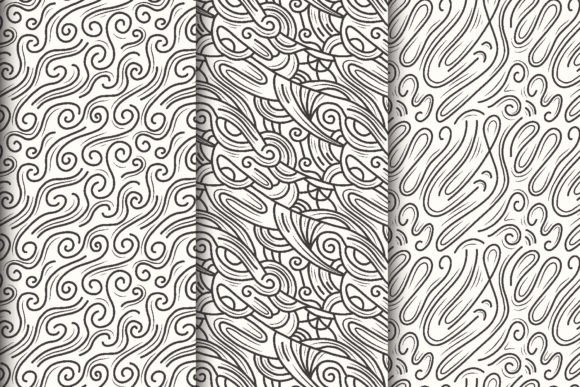
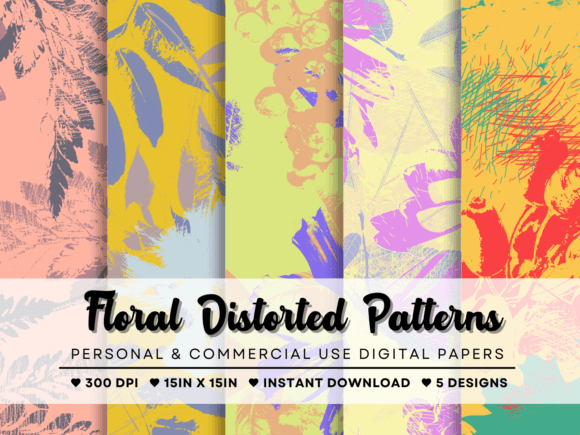
Imagine a collection specifically curated to offer versatility and depth. Consider a set that includes 5 distorted floral patterns in different color combinations. Such a resource is not merely a bundle of images; it is a foundational asset for branding, textile design, social media storytelling, packaging, and poster art. By allowing designers to mix and match these patterns, we unlock the ability to create custom design collections that feel both cohesive and unique. This article explores why these abstract forms are gaining traction and how you can leverage them to elevate your creative projects.
The Evolution from Traditional Botanicals to Abstract Art
To understand the significance of distorted floral patterns, we must first look at their roots. For centuries, floral motifs have been a staple in human expression, representing growth, life, and natural beauty. However, modern aesthetics often demand more than just realistic depictions. In an era defined by rapid information consumption, static and predictable imagery struggles to hold the viewer's gaze.
This is where distortion comes into play. By stretching, warping, or reimagining the structural integrity of a flower, designers introduce tension and energy. The result is a pattern that feels alive. It mimics the way light hits a surface or how wind moves through a garden, creating a visual rhythm that guides the eye across a page or screen. These patterns serve as a bridge between the organic world and the structured demands of commercial design.
Why "Distorted" Works Better Than Perfect Symmetry
One common misconception is that "perfect" symmetry equates to high-quality design. While symmetry offers stability, it can sometimes feel rigid or dated. Abstract floral distortions break this rigidity. They suggest imperfection, which is inherently human and relatable. When used in branding, these patterns signal creativity and innovation. They tell the consumer that the brand is willing to take risks and think outside the box.
Furthermore, distortion allows for greater adaptability. A perfectly symmetrical flower might clash with a specific layout or text placement. A distorted version, however, can flow around elements, fill negative space effectively, or act as a subtle background texture without overwhelming the primary content. This flexibility makes them indispensable for modern web design and mobile interfaces.
Practical Applications Across Industries
The utility of a set containing 5 floral distorted patterns in different color combinations extends far beyond simple decoration. Let us explore how these assets fit into various sectors of modern work and business.
- Branding and Identity: In a crowded marketplace, a logo or brand identity needs to stand out. Using a distorted floral pattern as a secondary element on business cards, letterheads, or website backgrounds can add a layer of sophistication. The variety in color combinations allows brands to tailor the aesthetic to their specific tone—whether it is bold and energetic or soft and elegant.
- Textile and Fashion Design: The fashion industry has long embraced floral prints, but the trend is shifting towards the avant-garde. Designers are using EPS and PNG formats of distorted flowers to create fabrics that look like moving paintings. The distortion creates an optical illusion of depth, making garments appear more dynamic when worn.
- Social Media and Digital Marketing: Platforms like Instagram and TikTok rely heavily on visual storytelling. Stories and posts need to grab attention within seconds. A custom design collection featuring mixed-and-matched floral patterns can create a cohesive feed that looks professional yet artistic. These patterns work exceptionally well as overlays for promotional videos or as backgrounds for event announcements.
- Packaging and Product Design: Consumers are drawn to products that look unique on the shelf. Packaging that features a distorted floral motif suggests a product that is handcrafted or artisanal. Whether for cosmetics, food items, or luxury goods, these patterns add a touch of exclusivity that standard geometric shapes cannot achieve.
- Poster and Editorial Design: Magazines and posters require typography that interacts seamlessly with imagery. Distorted flowers provide a perfect canvas for text to sit upon, offering contrast without competing for dominance. They guide the reader's eye naturally through the layout.
The Technical Advantage: EPS and PNG Formats
When selecting design assets, the file format is just as critical as the visual style itself. The inclusion of both EPS and PNG files in a pattern collection addresses the diverse needs of professionals working in vector-based software versus raster-based applications.
Vector (EPS) Files: Encapsulated PostScript (EPS) files are scalable without losing quality. This is crucial for large-scale printing, such as billboards, banners, or large-format textiles. If a designer needs to stretch a floral pattern to cover a massive wall or shrink it down for a tiny icon, the vector format ensures crisp edges and smooth curves every time. It also allows for easy color manipulation within design software like Adobe Illustrator.
Raster (PNG) Files: Portable Network Graphics (PNG) files are ideal for web use, digital presentations, and photo editing software like Photoshop. With transparency support, PNGs allow designers to overlay the floral patterns onto existing photographs or complex backgrounds effortlessly. The high resolution ensures that the details of the distortion remain sharp on high-definition screens.
Building a Custom Collection Through Mix-and-Match Strategies
The true power of a set containing 5 distorted floral patterns in different colors lies in the ability to combine them. Many beginners view patterns as single-use elements, but experienced designers know that layering creates depth. By mixing and matching these patterns, you can create a custom design collection that tells a story.
For instance, consider a campaign for a summer festival. You might use a vibrant, highly distorted pattern in warm tones for the main poster, while using a subtler, cooler-toned variation for the merchandise tags and social media story highlights. This strategy creates a unified brand experience while keeping each piece fresh and interesting. It prevents the design from feeling monotonous or repetitive.
Key Tips for Mixing Patterns:
- Maintain a Color Palette: Even if the patterns differ, ensure they share at least one or two dominant colors to maintain cohesion.
- Vary the Scale: Don't use all patterns at the same size. Pair a large, bold distortion with a smaller, intricate one to create visual hierarchy.
- Balance Density: If one pattern is very busy, pair it with a more open, sparse pattern to give the eye a place to rest.
Overcoming Common Misunderstandings
There is often a fear among novice designers that "distorted" means "messy" or "broken." It is important to clarify that successful distortion is intentional. It requires a strong understanding of composition and balance. A good distorted floral pattern does not look accidental; it looks like a deliberate artistic choice that enhances the message.
Another assumption is that these patterns are only suitable for feminine or soft aesthetics. While they certainly excel in those areas, abstract florals are increasingly being used in tech, automotive, and industrial design to soften hard edges and inject personality into sterile environments. The versatility of the different color combinations available in a comprehensive set proves that these patterns can adapt to any mood, from corporate professionalism to rebellious street art.
Conclusion: Elevating Your Creative Workflow
In conclusion, abstract floral distorted patterns represent a fusion of nature's elegance and modern design's dynamism. They are more than just decorative elements; they are strategic tools that help brands communicate complexity, creativity, and uniqueness. Whether you are designing a new textile line, crafting a social media strategy, or developing a comprehensive brand identity, having access to a versatile set of 5 floral distorted patterns provides a competitive edge.
By utilizing both EPS and PNG formats, designers gain the freedom to work across all mediums without compromising quality. The ability to mix and match these patterns empowers creators to build custom design collections that resonate with audiences on a deeper level. As we move further into a visually saturated world, the ability to create distinct, memorable imagery becomes paramount. Embracing the fluidity of distorted florals is not just a trend; it is a smart investment in the future of your design practice.
So, the next time you start a project, consider stepping away from the standard grid. Explore the possibilities of distortion, blend your colors, and let your imagination bloom in ways that were previously uncharted. The result will be a visual language that speaks clearly, creatively, and compellingly to your audience.