Plant Patterns Seamless Patterns: A Comprehensive Guide for Creative Professionals
In the dynamic world of digital design and creative production, finding high-quality assets that can be seamlessly integrated into various projects is often the difference between a good result and a great one. Plant Patterns Seamless Patterns represent a specific category of digital resources designed to offer endless versatility for designers, artists, and business owners. Whether you are working on a branding project, designing packaging, or creating web backgrounds, these patterns provide a foundational element that brings organic beauty and structural consistency to your work.
While the market offers countless variations of floral and botanical imagery, the true value of seamless plant patterns lies in their technical construction and adaptability. This guide explores what makes these patterns essential tools for creators, how they function, and where they fit best within your professional workflow.
Understanding the Core Concept of Seamless Plant Designs
At its heart, a seamless pattern is an image tile that repeats perfectly without visible breaks or edges. When applied to Plant Patterns Seamless Patterns, this means that individual leaves, vines, flowers, or foliage elements are arranged so that if you were to place multiple copies side-by-side, the connection points would be invisible to the naked eye. This creates the illusion of an infinite surface covered in vegetation.
The primary purpose of these designs is utility. Unlike standard stock photos which capture a single moment or scene, seamless patterns are functional building blocks. They allow creators to fill large areas—such as website backgrounds, fabric textures, or wrapping paper—with a consistent aesthetic without the need for complex manual tiling or editing. The "seamless" nature ensures that the texture looks uniform regardless of the size it is scaled to, making it a robust choice for both print and digital media.
What Makes These Patterns Unique?
When evaluating Plant Patterns Seamless Patterns, several characteristics stand out that distinguish them from generic clip art:
- Natural Flow: High-quality patterns mimic the organic randomness found in nature. Even though the underlying structure is mathematical and repetitive, the visual effect should feel alive and breathing rather than robotic.
- Scalability: Because they are vector-based or high-resolution raster images designed for repetition, they can be enlarged significantly without losing clarity or introducing pixelation.
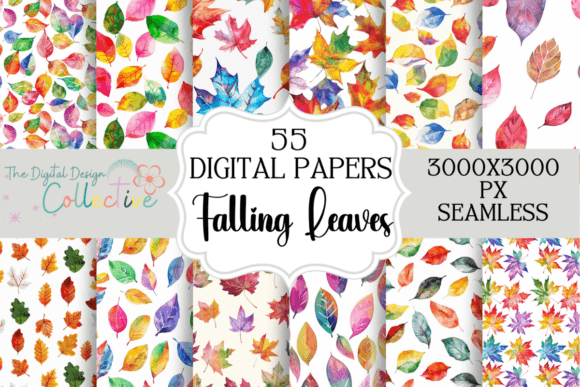
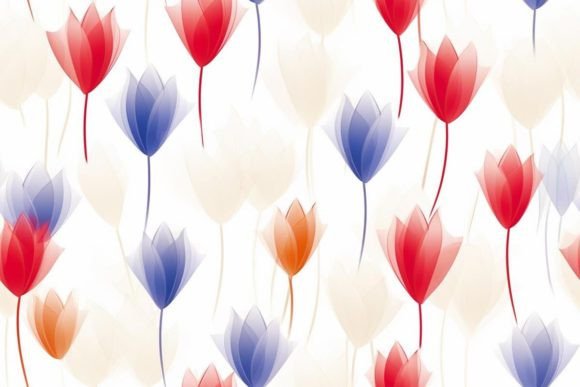
- Versatility: These patterns are not limited to just greenery. They often incorporate diverse botanical elements like ferns, monstera leaves, succulents, or abstract floral arrangements, allowing for a wide range of stylistic applications.
Practical Applications Across Industries
The utility of Plant Patterns Seamless Patterns extends far beyond simple decoration. They serve as critical components in various sectors, offering solutions that save time while enhancing visual appeal. Understanding where these assets shine helps professionals make informed decisions about their use.
Textile and Fashion Design
Fashion designers rely heavily on seamless patterns to create prints for fabrics. A designer might use a Plant Patterns Seamless Patterns collection to generate a repeating motif for a summer dress, a scarf, or even upholstery for furniture. The ability to preview how the pattern repeats across a meter of fabric is crucial for ensuring the final product looks cohesive before any physical material is cut or dyed.
Packaging and Branding
For businesses selling eco-friendly products, cosmetics, or artisanal goods, packaging is a key touchpoint. Incorporating botanical motifs can instantly communicate values of nature, purity, and sustainability. Using a seamless pattern allows brands to cover entire boxes, bags, or labels with a consistent design language. This is particularly effective for small-batch producers who need a professional look without the cost of custom illustration for every single SKU.
Digital Interfaces and Web Design
In the realm of UI/UX design, background textures play a subtle but powerful role. Plant Patterns Seamless Patterns can be used to create depth in website headers, blog post backgrounds, or mobile app interfaces. By using low-opacity versions of these patterns, designers can add visual interest without distracting the user from the primary content. This technique enhances readability and brand identity simultaneously.
Interior Decor and Wallpaper
The resurgence of biophilic design—the practice of connecting occupants with nature in built environments—has made seamless plant patterns highly sought after for wallpaper and wall murals. Architects and interior decorators utilize these digital files to create custom wallpapers that transform spaces into calming, nature-inspired retreats.
Evaluating Quality and Suitability
Not all digital assets are created equal. When selecting Plant Patterns Seamless Patterns for a commercial project, it is vital to evaluate the quality of the source files. While many collections offer a variety of styles, the technical integrity of the file is paramount.
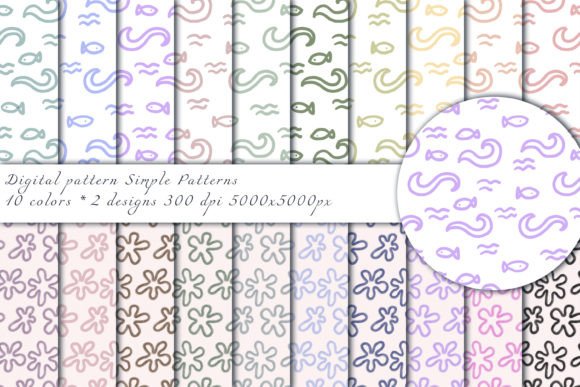
File Formats Matter: Most professional packages include high-resolution JPG files alongside vector formats (like EPS or AI). While the prompt notes that some titles may be randomly generated, the focus must remain on the actual image data. A high-quality JPG should be at least 300 DPI (dots per inch) for print applications to ensure sharpness. For digital use, a resolution of 72 DPI with sufficient pixel dimensions (e.g., 4000x4000 pixels) is usually sufficient.
Color Consistency: One common pitfall in pattern design is color banding or inconsistent hues where the tiles meet. Before purchasing or downloading a set, always inspect the sample images closely. Zoom in to check the corners and edges. If you see jagged lines or sudden shifts in color saturation at the seams, the pattern may not be truly seamless and could require significant manual correction.
Complexity vs. Usability: Some patterns are incredibly detailed, featuring intricate line work and multiple layers of foliage. While visually stunning, these can sometimes be difficult to use as backgrounds if the text or other elements overlaid on top become unreadable. It is often wise to have a mix of dense, busy patterns and lighter, more open designs in your asset library to suit different project needs.
Maximizing Value Through Customization
One of the greatest strengths of Plant Patterns Seamless Patterns is their potential for customization. Once acquired, these patterns are rarely static; they are meant to be adapted. Designers frequently adjust the color palette to match specific brand guidelines. For instance, a vibrant green jungle pattern can be recolored to match a corporate blue or a soft pastel theme for a baby product line.
Software like Adobe Photoshop, Illustrator, or Affinity Designer allows users to easily manipulate these assets. You can change the opacity, blend modes, or apply filters to alter the mood of the pattern. A flat, two-dimensional leaf pattern can be given a watercolor texture or a metallic sheen with a few clicks, transforming it into a unique asset that no one else possesses.
A Note on Licensing and Usage
When utilizing these patterns, always verify the licensing terms. Many creators offer personal use licenses, which allow for hobbyist projects, while commercial licenses are required for use in products that will be sold or used for marketing. Ensuring you have the correct license protects your business from legal issues and supports the artists who created the work.
Conclusion: An Essential Tool for the Modern Creator
In conclusion, Plant Patterns Seamless Patterns are more than just pretty images; they are functional, versatile tools that bridge the gap between artistic vision and practical execution. Whether you are a fashion designer looking for the next big print, a web developer seeking a unique background, or a small business owner wanting to elevate your packaging, these patterns offer a reliable solution.
The key to success lies in understanding the technical requirements of your project and selecting patterns that align with your specific goals. By focusing on the quality of the image data rather than misleading titles, and by taking the time to test the seamless nature of the tiles, you can ensure that your final output is professional and polished. As you explore the vast array of botanical designs available, remember that the right pattern can transform a mundane project into something extraordinary, bringing a touch of the natural world into your creative endeavors.
For those looking to expand their toolkit, exploring different variations of these patterns is highly recommended. From minimalist line drawings to lush, full-bleed illustrations, there is a style for every need. By integrating these assets thoughtfully, creators can produce work that is not only visually appealing but also technically sound and commercially viable.