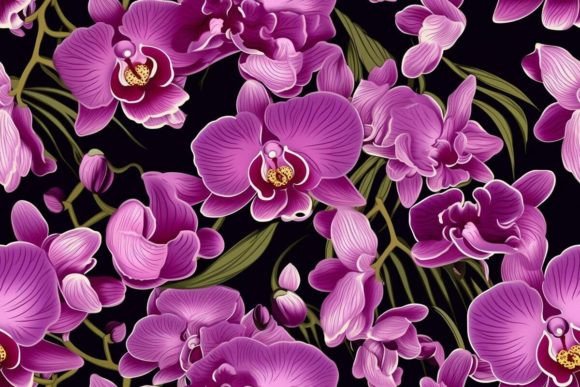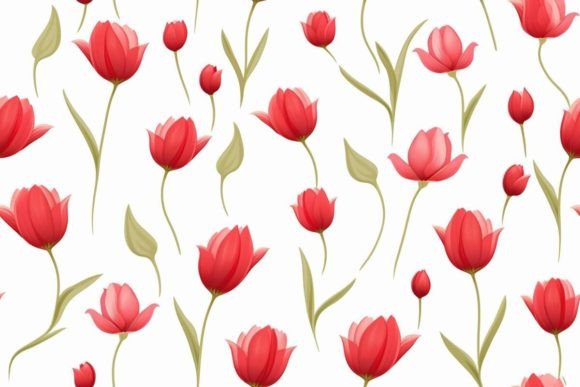
Nature Patterns Floral Design Elements: A Comprehensive Guide to Organic Aesthetics
The visual landscape of design is constantly evolving, yet one element remains perennially powerful: the organic complexity found in the natural world. Nature Patterns Floral Design Elements represent more than just decorative motifs; they are a sophisticated language of form, color, and texture that communicates growth, balance, and harmony. Whether utilized in high-end fashion, digital interfaces, architectural renderings, or educational materials, these elements provide a bridge between the artificial and the authentic. This guide explores the depth, utility, and artistic potential of floral patterns derived from nature, offering insights for professionals and hobbyists alike.
The Anatomy of Organic Design
At its core, Nature Patterns Floral Design Elements rely on the intricate geometry of the plant kingdom. Unlike rigid geometric shapes, floral designs embrace asymmetry, flowing lines, and varying scales. These patterns are characterized by their ability to mimic the chaotic yet structured growth found in forests, gardens, and meadows. The visual weight of a single leaf, the delicate gradient of a petal, and the repeating rhythm of vines create a dynamic composition that engages the human eye.
When designers incorporate these elements, they are not merely copying images; they are interpreting biological structures. A fern frond offers a fractal repetition that creates depth, while a blooming rose provides a focal point of complexity. Understanding these anatomical features allows creators to construct layouts that feel alive rather than static. The transition from a simple bud to a full bloom can be used metaphorically in storytelling, guiding the viewer through a narrative arc within a single image or a series of graphics.
Visual Characteristics and Variations
- Line Quality: Natural floral elements often feature soft, curvilinear strokes that contrast with the sharp angles of modernist design. These lines guide the eye fluidly across a page or screen.
- Texture and Depth: High-quality assets capture the subtle textures of stems, veins, and petals, adding a tactile quality to digital or printed media.
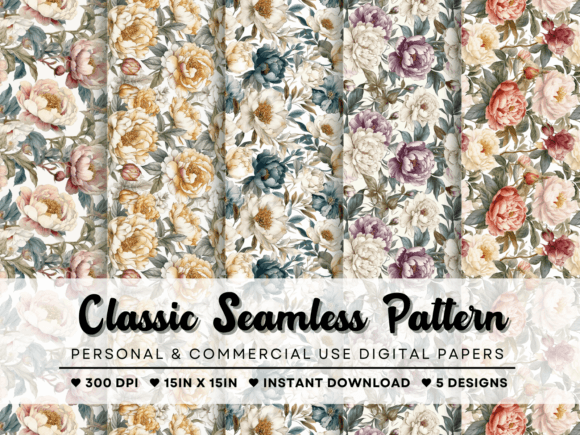
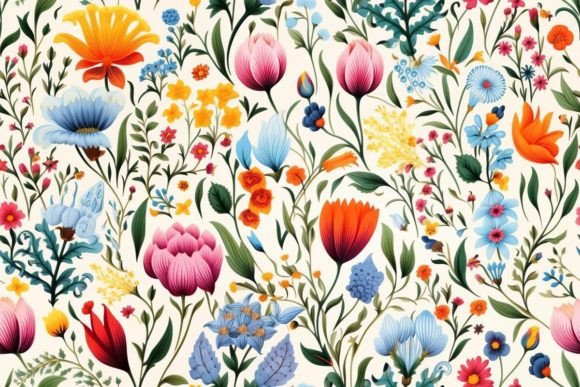
- Color Palettes: Derived directly from botanical reality, these patterns utilize earthy greens, vibrant blossoms, and muted pastels that evoke specific seasons and moods.
- Symmetry and Asymmetry: While some arrangements follow strict radial symmetry, others lean into the wilder, unstructured growth of untamed nature, offering a sense of spontaneity.
Practical Applications Across Industries
The versatility of Nature Patterns Floral Design Elements makes them indispensable tools across a wide spectrum of professional fields. Their ability to adapt to various contexts ensures that they remain relevant regardless of the medium or the target audience.
Digital and Web Design
In the realm of web development and user interface (UI) design, floral patterns serve as excellent background textures that soften the sterility of technology. They are particularly effective for lifestyle brands, wellness applications, and creative portfolios. By integrating these elements as subtle overlays or interactive hover states, designers can enhance user engagement without overwhelming the primary content. The organic flow of floral lines naturally leads the eye toward call-to-action buttons or key information sections.
Print Media and Packaging
Physical products benefit immensely from the tactile appeal of floral designs. Packaging for cosmetics, organic foods, and artisanal goods often relies on Nature Patterns Floral Design Elements to convey a message of purity and sustainability. The detailed imagery of flowers and leaves suggests a connection to the earth, which resonates deeply with eco-conscious consumers. Furthermore, in editorial design, these patterns break up text-heavy articles, providing visual relief and maintaining reader interest.
Fashion and Textile Arts
The history of textile design is inextricably linked to floral motifs. From traditional block printing to modern digital fabric printing, Nature Patterns Floral Design Elements drive trends in apparel and home decor. Designers analyze the scale of the pattern to determine its suitability for different garments; large, bold blooms make a statement on evening wear, while small, repetitive sprigs offer elegance for formal shirts or scarves. The ability to manipulate the scale and density of these elements allows for infinite customization.
Benefits for Creators and Businesses
Utilizing authentic nature-inspired assets offers distinct advantages over generic clip art or AI-generated placeholders. For businesses and individual creators, the strategic use of these elements can elevate brand perception and improve communication efficiency.
- Emotional Connection: Humans have an innate affinity for nature, a concept known as biophilia. Incorporating Nature Patterns Floral Design Elements triggers positive psychological responses, reducing stress and fostering a sense of calm. This emotional resonance can translate into higher customer loyalty and engagement.
- Brand Differentiation: In a saturated market, unique floral illustrations help a brand stand out. Customized patterns that reflect a company's specific values—such as sustainability, luxury, or playfulness—create a memorable visual identity.
- Scalability and Flexibility: Vector-based floral assets allow for resizing without loss of quality. Whether scaling up for a billboard or down for a mobile icon, Nature Patterns Floral Design Elements maintain their crispness and detail, ensuring consistency across all touchpoints.
- Educational Value: For educators and researchers, accurate botanical illustrations are crucial. Using high-fidelity floral elements helps in teaching botany, biology, and environmental science, making complex concepts more accessible and visually engaging for students.
Implementation Strategies and Best Practices
To maximize the impact of floral design elements, creators must move beyond simple placement and consider the context of the overall composition. Effective implementation requires a thoughtful approach to layering, color theory, and negative space.
Layering and Composition
One of the most powerful techniques when working with Nature Patterns Floral Design Elements is layering. By overlapping translucent petals, leaves, and stems, designers can create a sense of three-dimensionality. This technique adds depth to flat designs, making them appear more immersive. However, it is essential to maintain a clear hierarchy; too many layers can result in visual clutter, obscuring the main message or product.
Color Harmony
While nature provides a vast palette, selecting the right colors is critical. Designers should aim for harmony rather than competition. Complementary colors, such as deep reds against lush greens, create vibrancy, while analogous colors, like various shades of blue and purple, offer serenity. When using Nature Patterns Floral Design Elements, ensure that the colors support the intended mood of the project. For instance, a medical website might opt for softer greens and whites to convey health and cleanliness, whereas a boutique hotel site might choose rich golds and deep burgundies to suggest luxury.
Integration with Typography
The relationship between text and floral imagery is delicate. Heavy, ornate floral patterns require clean, legible typography to prevent the design from becoming unreadable. Conversely, minimal floral accents can pair well with elegant serif fonts to create a sophisticated look. It is important to ensure that the text does not get lost within the intricate details of the design. Using solid backgrounds or semi-transparent overlays behind text blocks can help maintain readability while preserving the aesthetic integrity of the floral elements.
Considerations for Ethical and Authentic Usage
As the demand for nature-inspired design grows, so does the importance of authenticity and ethical sourcing. Creators should be mindful of how they represent botanical subjects. Mislabeling species or using generic, inaccurate representations can undermine the credibility of the work, especially in scientific or educational contexts.
Furthermore, there is a growing trend towards sustainable design practices. Utilizing digital assets reduces waste compared to physical sampling, but the choice of software and file formats also matters. Optimizing file sizes for web use reduces energy consumption during data transfer. Additionally, supporting artists who specialize in botanical illustration helps sustain the ecosystem of creative talent dedicated to capturing the beauty of the natural world.
Adapting to Trends
The interpretation of Nature Patterns Floral Design Elements shifts with cultural trends. Currently, there is a move away from hyper-realistic photography towards stylized, hand-drawn, and even abstract interpretations. This shift allows for greater creative freedom and personal expression. Some designers are blending traditional floral motifs with modern geometric shapes, creating a fusion style that appeals to contemporary audiences. Others are focusing on "wild" aesthetics, showcasing invasive species or weeds to make a statement about resilience and adaptation.
The Future of Botanical Design
Looking ahead, the integration of Nature Patterns Floral Design Elements with emerging technologies promises exciting possibilities. Augmented reality (AR) and virtual reality (VR) platforms will allow users to interact with 3D floral models, exploring the anatomy of a flower in ways previously impossible. Artificial intelligence tools are also beginning to assist in generating unique variations of floral patterns, though human oversight remains essential to ensure artistic quality and accuracy.
For businesses and individuals, staying attuned to these developments is key. The enduring appeal of nature in design suggests that floral elements will continue to be a staple in the creative toolkit. By understanding the nuances of these patterns and applying them with intention, creators can produce work that is not only visually stunning but also meaningful and impactful.
In conclusion, Nature Patterns Floral Design Elements offer a rich resource for anyone looking to infuse their projects with life and character. From the smallest detail in a logo to the grand backdrop of a digital experience, the organic forms of the plant world provide endless inspiration. By respecting the source material and applying sound design principles, we can harness the power of nature to communicate effectively and beautifully in our increasingly digital world.