Understanding Square Geometric Background Patterns for Versatile Design Projects
In the realm of visual design, few elements are as adaptable and structurally pleasing as Square Geometric Background Patterns. These designs rely on the fundamental shape of the square to create rhythm, balance, and modern aesthetics. Unlike organic or fluid patterns that mimic nature, square geometric illustrations offer a sense of order and precision that appeals to a wide range of audiences. Whether you are a graphic designer looking for a clean backdrop for a digital interface or a small business owner creating branded merchandise, understanding the nuances of this style is crucial for making informed creative decisions.
The distinct appeal of Square Geometric Background Patterns lies in their versatility. They can be scaled from tiny icons to massive wall murals without losing integrity. This scalability is particularly valuable when working with vector-based formats like EPS files, which allow for infinite resizing. When evaluating design assets, professionals often look for textures that provide structure without overwhelming the primary content. A well-executed square pattern serves as a subtle foundation, enhancing the message rather than distracting from it.
Distinguishing Features of Square Geometric Textures
What sets Square Geometric Background Patterns apart from other texture types is the interplay between negative space and defined shapes. While circular or triangular motifs might evoke different emotional responses—circles suggesting unity and triangles implying direction—the square represents stability, reliability, and organization. This psychological association makes them a preferred choice for corporate branding, educational materials, and minimalist interior decor.
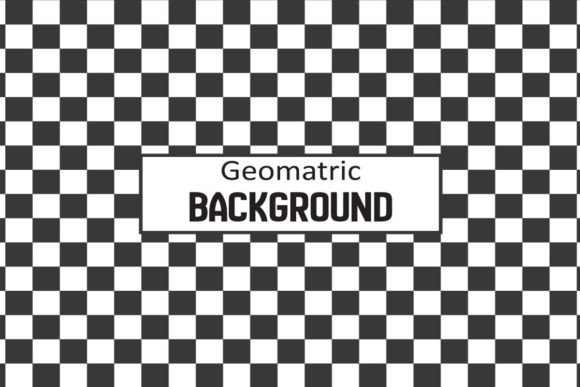
When examining these designs, one must consider the complexity of the arrangement. Some patterns feature simple grids, while others utilize intricate tessellations where squares overlap, rotate, or vary in size to create depth. The "texture" aspect mentioned in design descriptions often refers to the visual weight created by color variations or line thickness within the squares. A high-quality illustration will ensure that these textural elements remain crisp whether printed on a large banner or viewed on a small mobile screen.
Furthermore, the editable nature of these files is a significant technical advantage. In a professional workflow, designers rarely use assets exactly as they appear in the preview. The ability to modify colors, adjust spacing, or isolate specific geometric elements allows for customization that fits specific brand guidelines. This flexibility is why many creators seek out resources that offer both vector (EPS) and raster (JPEG) formats.
Comparing Formats: Vector vs. Raster Solutions
One of the most critical factors when selecting a background pattern is the file format. Square Geometric Background Patterns are often available in multiple formats, each serving a different purpose in the production pipeline. Understanding the tradeoffs between these options helps users choose the right tool for their specific project needs.
- EPS Files (Encapsulated PostScript): This is the gold standard for print and scalable graphics. An EPS file contains vector data, meaning the image is built from mathematical equations rather than pixels. If you need to print a Square Geometric Background Pattern on a large format poster or cut it into a vinyl decal, an EPS file ensures the edges remain perfectly sharp at any size. It also allows for easy editing of individual shapes, such as changing the hue of a single row of squares without affecting the rest of the design.
- JPEG Files: These are pixel-based images optimized for quick viewing and web use. While convenient for email attachments or social media previews, JPEGs have limitations regarding resolution. If you enlarge a JPEG significantly, it may become pixelated or blurry. However, for uses like digital wallpapers or low-resolution web backgrounds, a JPEG is often sufficient and easier to manage in terms of file size.
When comparing these formats, the decision usually comes down to the intended output medium. For projects involving physical products like coffee mugs or tote bags, where the final print quality is paramount, the vector capability of an EPS file is indispensable. Conversely, for purely digital applications like website headers or digital scrapbooking, a high-resolution JPEG may be the more practical choice due to its compatibility with various software tools.
Practical Applications Across Diverse Categories
The utility of Square Geometric Background Patterns extends far beyond simple decoration. Their structured nature makes them ideal for a variety of commercial and personal items. By analyzing successful implementations across different categories, we can better understand where this design style shines.
Printable Paper and Stationery
In the stationery market, geometric patterns are a staple. They work exceptionally well for planners, notebooks, and letterhead. The repetitive nature of square patterns creates a sense of professionalism and neatness. When used as a watermark or a border element on printable paper, these patterns add a layer of sophistication without cluttering the page. For stationery items, the ability to edit the color scheme is vital; a business might require a navy blue square pattern, while a children's school supply might need bright, primary-colored squares.
Apparel and Merchandise
For T-shirts, clothes, and tote bags, Square Geometric Background Patterns offer a modern aesthetic that resonates with current fashion trends. Unlike complex floral or abstract art, geometric designs translate well to fabric printing techniques like screen printing and direct-to-garment (DTG). The clean lines of the squares prevent blurring during the printing process. Similarly, for coffee mugs and framed wall decor, these patterns provide a striking visual anchor. A mug with a subtle square grid texture looks elegant and contemporary, appealing to consumers who prefer minimalism over ornate detailing.
Digital and Event Materials
Digital backgrounds and banners benefit immensely from the scalability of vector-based square patterns. Event organizers often need consistent branding across digital invitations, stage backdrops, and printed banners. Because Square Geometric Background Patterns can be easily tiled and adjusted, they ensure brand consistency regardless of the medium. Greeting cards also serve as an excellent example; a folded card with a geometric fold line or a textured square background can elevate a simple message into a thoughtful, professionally designed piece.
Evaluating Tradeoffs and Decision Factors
While Square Geometric Background Patterns are highly versatile, they are not the perfect solution for every scenario. It is important to weigh the benefits against potential limitations before committing to a specific design asset. One of the primary considerations is the level of formality required. Geometric squares can sometimes feel rigid or sterile compared to organic textures like watercolor splashes or hand-drawn sketches. If a project requires a warm, rustic, or highly emotional tone, a strict square grid might feel too cold or mechanical.
Another factor is the complexity of the composition. Highly detailed square patterns can compete with foreground text or imagery. In scenarios where the background is meant to support heavy text, such as a dense informational flyer, a simpler, lower-contrast square pattern is necessary. If the pattern is too busy, it can cause eye strain and reduce readability. Therefore, the choice often depends on the hierarchy of information within the final design.
Additionally, the editing requirements should be considered. While EPS files offer great flexibility, they require software capable of handling vector graphics, such as Adobe Illustrator or CorelDRAW. Users working exclusively in basic photo editors like MS Paint or Canva (without vector plugins) might find JPEG files more accessible, even if they sacrifice some editability. The availability of both formats in a single purchase addresses this gap, allowing users to leverage the strengths of both technologies.
Choosing the Right Asset for Your Workflow
Ultimately, the decision to use Square Geometric Background Patterns should be driven by the specific goals of your project. If you value precision, scalability, and a modern aesthetic, these patterns are likely an excellent fit. They are particularly effective when you need a design that can transition seamlessly from a digital screen to a physical product.
For those exploring alternatives, one might consider hexagonal or triangular grids, which offer similar structural benefits but with different visual dynamics. However, the square remains the most universally recognized and easily integrated shape. Its alignment with standard paper sizes and screen resolutions makes it a pragmatic choice for general-purpose design.
When evaluating a resource, look for comprehensive packages that include both editable vector files and ready-to-use raster images. This dual-format approach provides the security of knowing you have the right tool for any situation, whether it is a quick digital tweak or a large-scale print run. By carefully considering the application, the audience, and the technical requirements, you can effectively utilize Square Geometric Background Patterns to enhance your creative projects.
The value of such a design library lies in its adaptability. From Printable Paper to Beautiful Wall Decor, the same core design principles apply. The ability to customize these assets ensures that the final product feels unique to the creator, despite using a pre-existing template. As you continue to develop your portfolio or business offerings, incorporating these geometric textures can provide a reliable foundation for diverse and high-quality outputs.