Rainbow Watercolor Wildflower Patterns: A Guide to Choosing and Using High-Quality Digital Papers
If you are looking to add a burst of color and organic charm to your creative projects, Rainbow Watercolor Wildflower Patterns offer a unique blend of artistic flair and practical utility. These designs combine the soft, fluid nature of watercolor techniques with the vibrant spectrum of rainbow hues and the delicate beauty of wildflowers. However, not all digital papers are created equal. Many creators rush into purchasing low-resolution assets that fail to meet professional standards, leading to disappointing results in their final products.
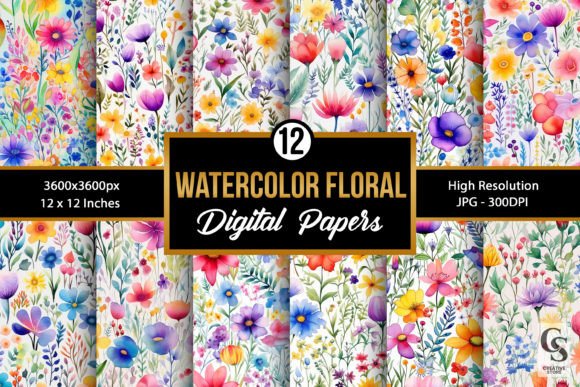
To ensure your next project—from a handmade greeting card to a custom tumbler wrap—looks its absolute best, it is essential to understand what constitutes high-quality digital art and how to avoid common pitfalls associated with downloading these patterns. This guide focuses on the specific benefits of a premium set, such as the collection featuring 12 seamless designs, while highlighting the critical details that separate amateur work from professional-grade resources.
The Critical Importance of Resolution and File Size
One of the most frequent mistakes crafters make when sourcing digital backgrounds is overlooking the resolution specifications. You might find a beautiful image online for free, but if it is optimized for web viewing rather than print, it will appear pixelated or blurry when printed at full size. This is particularly true for Rainbow Watercolor Wildflower Patterns, where the intricate brushstrokes and subtle color gradients require high data density to remain crisp.
A professional-grade set should always provide files in High-Resolution 300dpi. When working with physical media like paper, cardstock, or fabric, 300 dots per inch is the industry standard for sharpness. If you attempt to print a low-resolution file (often 72dpi) on a home printer or send it to a commercial printing service, the result will be jagged edges and muddy colors. The difference between a blurred mess and a gallery-worthy piece often comes down to this single technical detail.
Furthermore, consider the physical dimensions. A file that is merely 1000 pixels wide will struggle to cover a standard 12″ x 12″ scrapbook page without stretching. The ideal package includes JPG files sized at 3600 x 3600 pixels. This dimension ensures that whether you are cutting a small label for a jar or wrapping a large poster board, the image retains its clarity. Always check the pixel dimensions before clicking "buy" to ensure the asset fits your intended output size.
Understanding Seamless Patterns vs. Single Images
Another area where beginners often get confused is the distinction between a single image and a seamless pattern. A standard photograph or illustration stops abruptly at the edges. If you try to tile this image across a background, you will see visible seams where the images meet, creating a distracting grid effect. This is a fatal flaw for projects requiring large surface areas, such as wall wallpapers or notebook covers.
Rainbow Watercolor Wildflower Patterns designed as seamless tiles are engineered specifically to repeat without interruption. The design elements flow naturally from one edge to the opposite side, allowing you to stretch the pattern infinitely. This feature is indispensable for:
- Gift Wrapping: Ensuring the flowers don't cut off awkwardly at the fold lines.
- Scrapbook Decorations: Creating a cohesive background that fills an entire album page.
- Wall Art: Tiling multiple prints together to create a massive mural without visible gaps.
When evaluating a product, verify that the description explicitly states "Seamless." If the preview shows a single flower cluster in the center with white space around it, it is not a seamless pattern and may not serve your needs for large-scale applications.
Selecting the Right Variety for Your Projects
While a single pattern might look lovely, versatility is key for serious creators. A robust collection typically includes a variety of themes to match different moods and occasions. For instance, a set containing 12 Digital Papers offers a much broader palette than a single-image download. This variety allows you to mix and match colors and floral densities to create depth in your compositions.
Consider the specific requirements of your audience or client. A planner journal might benefit from a softer, pastel-leaning rainbow scheme, whereas a bold invitation might require high-contrast, saturated wildflowers. Having access to 12 distinct variations within one zip file means you can maintain a consistent aesthetic theme while introducing enough visual interest to keep the viewer engaged. It eliminates the need to hunt for five different sources to complete a single project, saving both time and money.
Practical Applications and Versatility
The value of Rainbow Watercolor Wildflower Patterns extends far beyond simple digital decoration. Once you have secured high-quality files, the possibilities for application are vast. Because the files are delivered in JPG format, they are universally compatible with almost any design software, from Adobe Photoshop and Illustrator to Canva and Microsoft Word.
Here are some specific ways to utilize these high-resolution assets effectively:
- Greeting Cards and Invitations: Use the patterns as full-page backgrounds or as decorative borders. The 300dpi resolution ensures that text overlay remains legible against the colorful backdrop.
- Tumbler Wraps: Sublimation printing requires high-resolution images to transfer color accurately onto metal surfaces. Low-quality images will result in dull, washed-out tumblers.
- Notebook Covers: Create custom stationery by wrapping printed sheets around cardboard inserts. The seamless nature of the pattern prevents unsightly cuts at the spine.
- Digital Planning: Insert these patterns directly into your digital journals or GoodNotes templates for a personalized touch.
By choosing a comprehensive set, you future-proof your library. Whether you decide to pivot from selling physical planners to digital downloads, having a solid foundation of versatile, high-res assets is crucial.
What to Check Before You Download
Before finalizing your purchase or download, take a moment to review the technical specifications and licensing terms. Do not assume that a pretty picture is ready for commercial use. Ensure the package includes a clear license agreement that outlines whether you can use the images for personal projects, small business sales, or client work.
Additionally, verify the file delivery method. A reputable seller will provide a zip file containing all 12 patterns organized logically. Receiving scattered files or links to external galleries can lead to frustration and lost data. Confirm that the file sizes match the promised resolution; a 3600 x 3600 pixel JPG should be substantial in size, indicating it contains the necessary data for print quality.
Finally, test the file yourself if possible. Open the image in your preferred software and zoom in to 100% to inspect the edges of the watercolor blooms. Look for compression artifacts or blurring. Taking these precautions ensures that your investment yields a professional result every time.
By focusing on resolution, seamlessness, and variety, you can avoid the common errors that plague many DIY projects. Rainbow Watercolor Wildflower Patterns are more than just pretty images; they are tools that, when used correctly, elevate the quality of your work. Whether you are a hobbyist crafting a birthday gift or an entrepreneur building a brand identity, choosing the right digital assets is the first step toward success.