Hyacinth Patterns for Creative Projects
In the world of digital design, finding a visual element that strikes the perfect balance between organic complexity and structured elegance is often a challenge. Hyacinth Patterns offers exactly that kind of solution. This collection brings the intricate beauty of nature into your digital workflow, providing a versatile toolkit for anyone looking to elevate their visual storytelling. Whether you are a seasoned graphic designer refining a brand identity or a hobbyist creating personalized stationery, these patterns serve as a foundational layer that adds depth without overwhelming the core message.
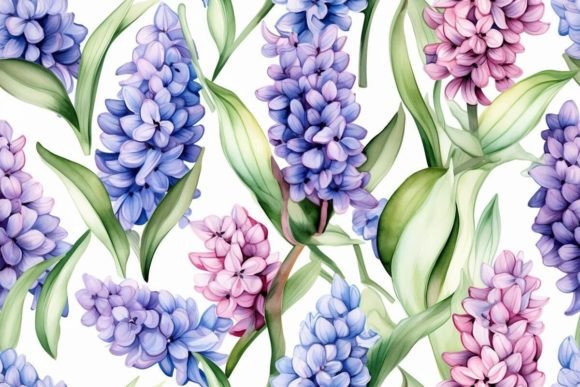
The allure of Hyacinth Patterns lies in their ability to mimic the natural world while remaining adaptable to modern aesthetic standards. The name itself evokes images of the hyacinth flower, known for its dense clusters of blooms and vibrant hues. Translated into a digital format, this translates to rich textures, repeating motifs, and a sense of rhythm that guides the eye across a page or screen. Unlike generic geometric grids that can feel cold or rigid, these patterns introduce a subtle fluidity that makes content feel more human and approachable.
Understanding the Visual Language
When we discuss Hyacinth Patterns, we are talking about more than just a background image; we are discussing a structural approach to design. The collection typically includes high-resolution assets that capture the essence of floral geometry. These designs often feature overlapping layers, varying line weights, and a color palette that ranges from deep, saturated tones to soft, pastel gradients. This versatility allows the patterns to function effectively in both print and digital environments.
One of the most critical aspects of working with this type of asset is understanding how it interacts with other elements. A well-crafted pattern should support the content, not compete with it. In the case of Hyacinth Patterns, the density of the design is calibrated to allow text to remain legible when overlaid. This makes them particularly useful for headers, footers, or section dividers where a plain white space might feel too stark, yet a busy photograph might distract from the copy.
For creators who value consistency, these patterns offer a unified look across different projects. Because they share a common DNA—the underlying structure of the hyacinth form—they create a cohesive brand language even when used in disparate contexts. A website banner, an Instagram story highlight cover, and a printed brochure can all utilize variations of the same pattern family, instantly signaling to the audience that these materials belong to the same ecosystem.
Creative Applications Across Industries
The utility of Hyacinth Patterns extends far beyond simple decoration. Different professionals can adapt these assets to meet specific goals, leveraging the unique properties of the design to solve visual problems.
- Branding and Identity: For small business owners and entrepreneurs, establishing a memorable visual identity is crucial. Hyacinth Patterns can be used to create distinctive packaging, letterheads, or business cards. The organic nature of the design suggests growth, freshness, and attention to detail, which are valuable traits to convey to potential customers.
- Digital Marketing and Social Media: Marketers and bloggers often struggle with creating engaging visuals that stand out in a crowded feed. Using these patterns as overlays on product photos or as backgrounds for promotional graphics can increase engagement rates. The texture adds a tactile quality to digital screens, making the content feel more premium and curated.
- Educational Materials: Educators and publishers can utilize these patterns to make learning materials more inviting. Textbooks, workbooks, and presentation slides benefit from a touch of warmth. A complex diagram becomes easier to digest when set against a background that feels calm and organized rather than chaotic.
- Hobbyist and Personal Projects: For DIY enthusiasts, the possibilities are endless. From customizing phone cases to designing wedding invitations, these patterns provide a professional-grade resource that was previously only available through expensive stock photography licenses.
Practical Implementation Strategies
While the inspiration provided by Hyacinth Patterns is vast, successful implementation requires a practical approach. The first step is selecting the right variation for the medium. If you are working on a mobile-first platform, opt for lighter, less dense versions of the pattern to ensure fast loading times and clear visibility on smaller screens. Conversely, for large-format prints like banners or posters, you can utilize the high-density, high-resolution files to showcase every intricate detail.
Color adaptation is another vital skill. While the original files may come in a specific palette, the true power of these patterns emerges when you recolor them to match your brand guidelines. Most design software allows you to easily swap out the primary colors of vector-based patterns or apply color overlays to raster images. This ensures that the pattern feels bespoke to your project rather than like a generic template.
It is also important to manage the opacity and blending modes of the pattern. Placing a pattern at 100% opacity can sometimes obscure the main subject of an image. By reducing the opacity or using blending modes such as "Multiply" or "Overlay," you can integrate the pattern seamlessly into the composition. This technique creates a sense of unity, where the background and foreground appear to exist in the same physical space.
Maintaining Originality and Clarity
In an era where templates are ubiquitous, maintaining a sense of originality is essential. To avoid the "cookie-cutter" look, consider combining Hyacinth Patterns with other design elements. Mix the pattern with solid blocks of color, hand-drawn illustrations, or typography that breaks the grid. This juxtaposition creates visual tension that keeps the viewer engaged.
Furthermore, always prioritize clarity. If the pattern is intended to be a background for text, ensure there is sufficient contrast. Dark text on a light pattern, or vice versa, is a basic rule that prevents accessibility issues. Test your designs in grayscale as well; if the hierarchy of information disappears when color is removed, the design needs adjustment.
The goal is to use Hyacinth Patterns as a tool to enhance communication, not to mask it. When used correctly, the pattern acts as a silent partner, reinforcing the mood and tone of your message without demanding constant attention. It provides a visual anchor that helps organize information and guide the user's journey through your content.
Maximizing Your Workflow
Efficiency is key for freelancers and agencies managing multiple clients. Having a library of Hyacinth Patterns ready to go can significantly speed up the prototyping phase of a project. Instead of spending hours searching for stock imagery or trying to recreate a texture from scratch, you can drag and drop a relevant pattern into your layout and start building immediately.
Remember that the file structure provided in the ZIP archive is designed for flexibility. While note titles may vary or seem random, the focus should always be on the visual content. Take the time to review the actual images rather than relying on filenames. You will likely find hidden gems—a subtle texture that works perfectly for a dark mode interface or a bold motif ideal for a headline accent.
Finally, treat these patterns as a starting point. Do not hesitate to modify them. Crop sections of the pattern to create custom borders, tile them diagonally for a dynamic effect, or combine multiple variations to create a completely new texture. The creative process is iterative, and the best results often come from experimenting with the assets until they fit your specific vision.
By integrating Hyacinth Patterns into your workflow, you are not just adding a decorative element; you are investing in the overall quality and professionalism of your output. Whether you are building a portfolio, launching a startup, or simply exploring your creativity, these patterns offer a reliable foundation for your next great idea.